
In Review: Manchester Psych Fest
There’s no sensible way to do Manchester Psych Fest. You can spend the week studying stage times, calculating walking distances and constructing a schedule with military precision. Then Saturday arrives, someone suggests a pint, one band overruns and suddenly the whole thing is useless. That’s also why it works so well.
Scattered across our home city of Manchester, it’s a day of psychedelia in the loosest possible sense, with the festival now spanning several genres as it’s history extends well beyond a decade. It really has become a beloved day on the city’s music calendar.
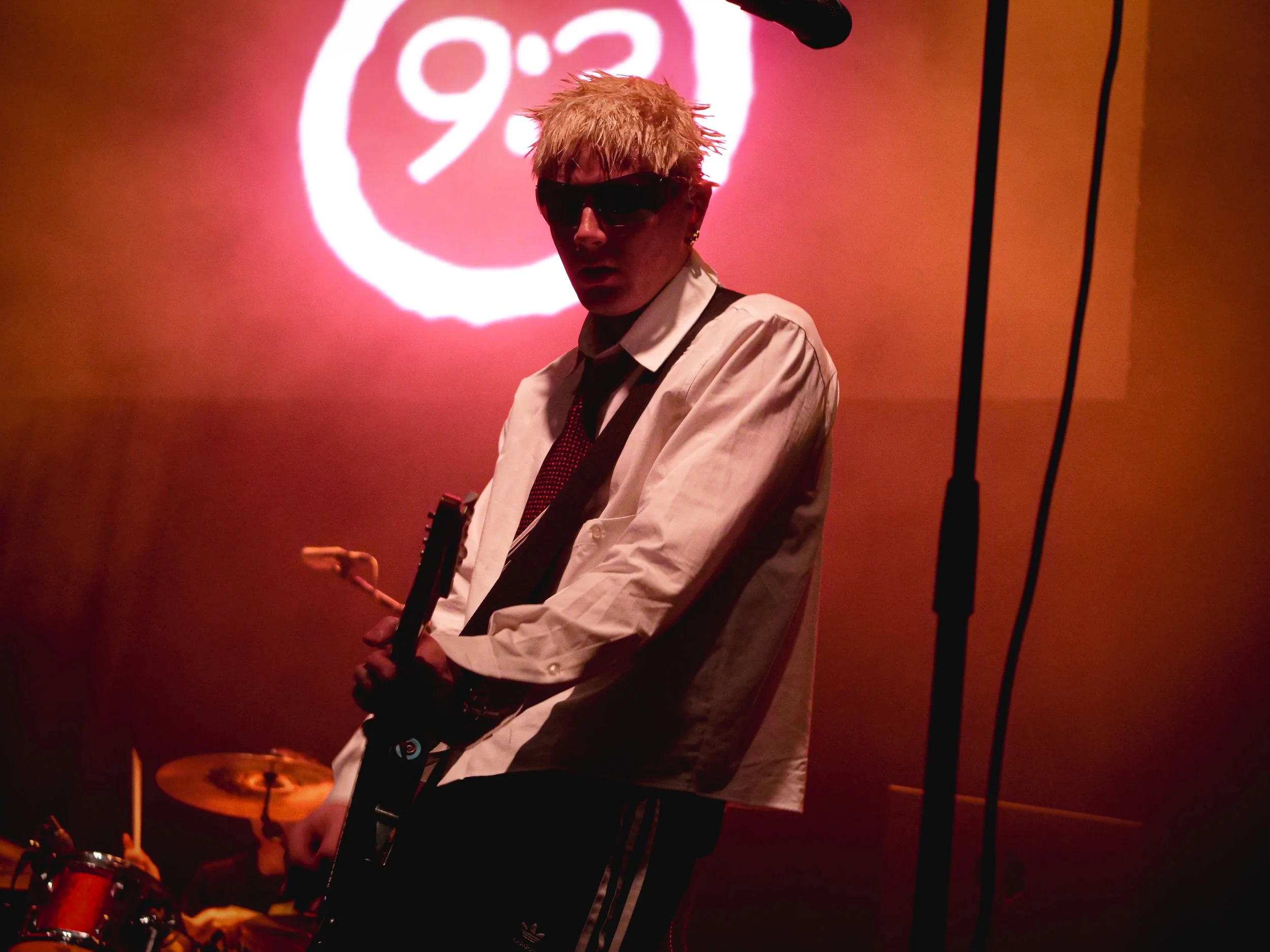
Quickly bedding in, it was over to the O2 Ritz for Dublin’s Bleech 9:3. One of the newer names on this year’s bill, the band wear their ‘90s alternative influences proudly. Big guitars, fast basslines and plenty of fuzz fill a room capable of swallowing less assured bands, but there’s enough urgency underneath it all to make Bleech them feel much more than a nostalgia exercise.
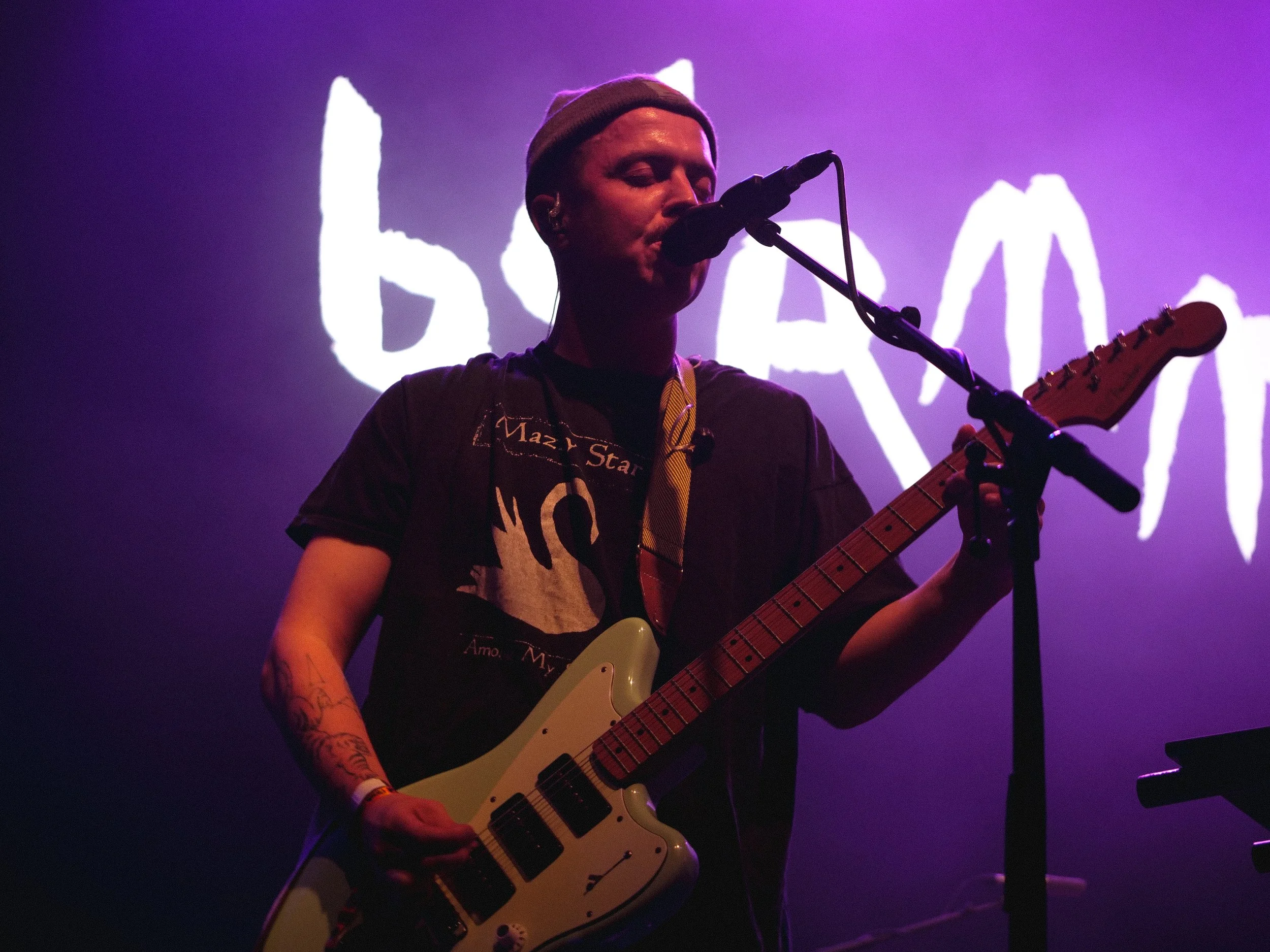
Elsewhere, bdrmm provide a different kind of intensity. The Hull-formed outfit have steadily expanded beyond the shoegaze label that followed their early releases, folding electronics, post-rock and increasingly expansive textures into their sound. Live, that evolution makes even more sense. Guitars wash over one another before giving way to heavier, more propulsive moments, shifting between dreamlike and genuinely massive without ever feeling forced.
From there, attention turns to one of the most talked-about acts of the entire festival. So popular in fact, we’d reminded you of the other acts on the bill at the same time, in a piece shared ahead of the festival.
Angine’s rise over the past year has been frankly ridiculous. Two men from Québec making repetitive, hypnotic math-rock accompanied by synchronised movements and strange vocalisations probably shouldn’t become one of alternative music’s hottest live acts. Yet, here we are.
By 5pm they’re on stage at the O2 Apollo, a venue that feels comically enormous for something so wonderfully odd. The bigger the room, the more absurd the whole spectacle becomes. Guitar patterns repeat, movements mirror each other and whatever line once separated gig from performance art quickly disappears.
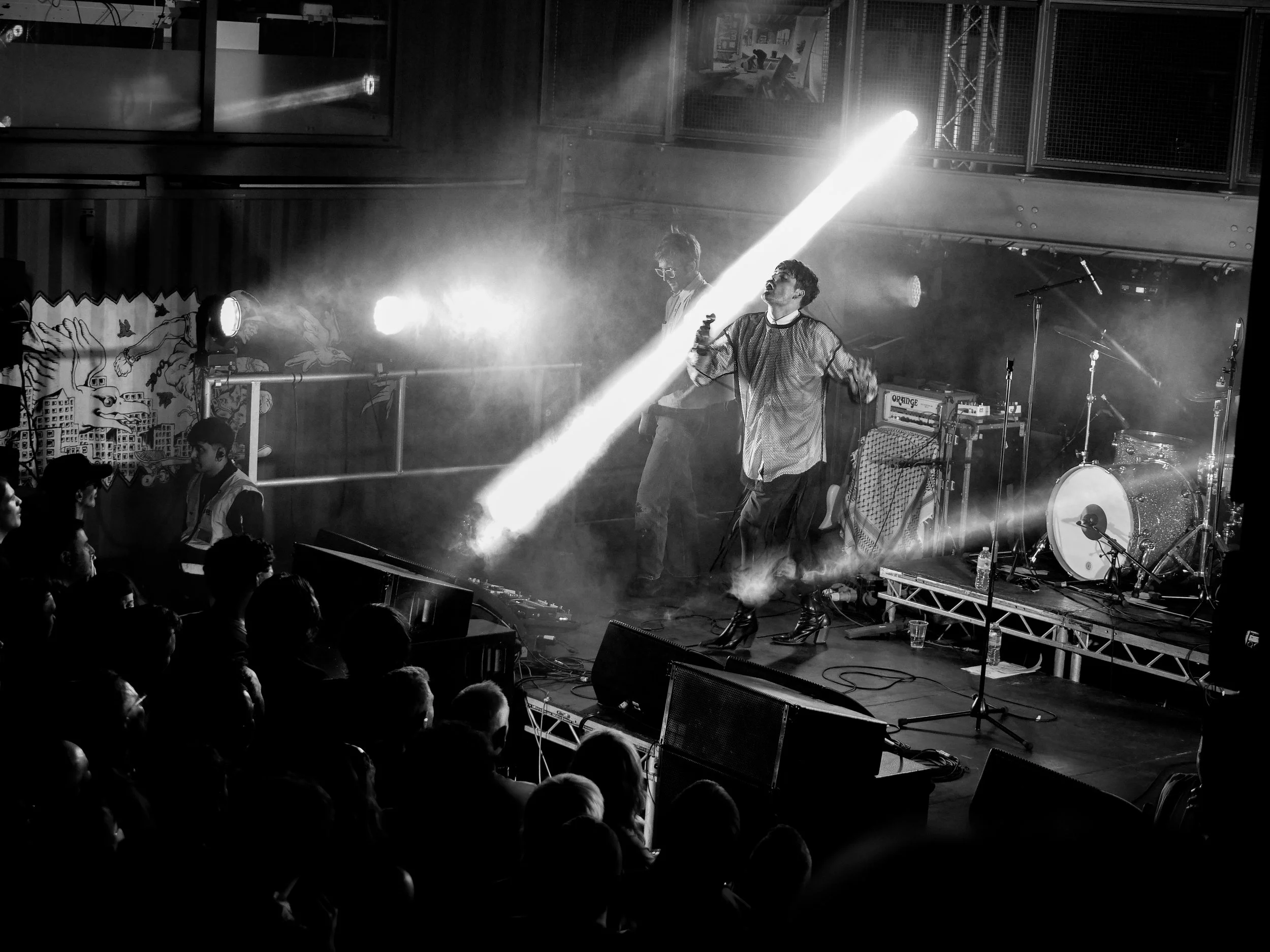
Later, it’s over to Projekts Skatepark for something considerably more threatening. Model/Actriz don’t really do passive observation. Their mixture of industrial noise, post-punk and dance music is intensely physical, and a skatepark feels like an appropriately unconventional place to experience it. Guitars shriek over pounding rhythms while Cole Haden prowls through proceedings like a man for whom the traditional boundary between performer and audience has always been more of a suggestion.
Then it’s back to the Apollo. More than two decades after calling it a day, The Beta Band are suddenly standing on a Manchester stage again. Their return is one of those bookings that makes particular sense at Psych Fest. Long before genre boundaries became increasingly meaningless, the Scots were already throwing indie, folk, hip-hop, electronics and psychedelia together and seeing what came out.
From there, the day still isn’t finished. By 11:15pm, sensible people might be considering going home. Instead, Manchester Academy plays host to Working Men’s Club. Few outfits are better suited to this point of a festival. The Todmorden collective’s collision of post-punk, acid house and electronics has always existed somewhere between gig and club, and by this stage nobody needs much encouragement to embrace the latter.
After a day of guitars, fuzz and varying degrees of musical weirdness, synths and drum machines take over. The bass gets louder. People dance. Any remaining commitment to an orderly festival itinerary disappears completely.
And really, that’s Manchester Psych Fest.